danielastevens's pick · Updated August 2026
303 Aerospace Protectant
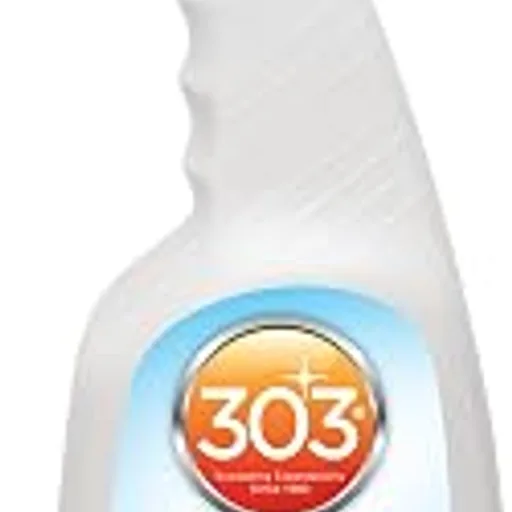
303 Aerospace Protectant is a reasonable fit for people who want a maintenance product for vinyl, plastic, and rubber surfaces and prefer something framed around UV protection rather than a decorative shine. It may make sense for exterior trim, dashboards, weatherstripping, and other parts that age in sun and heat, especially when the goal is to help slow fading, cracking, and discoloration over time. That makes it more of a care product than a cosmetic one, which matters if you are trying to decide whether you need a dressing, a cleaner, or a protectant.
The main reason to consider it is the stated focus on UV protection. That is the sort of feature a shopper should look for when surfaces are exposed to daylight for long stretches or when replacement parts are expensive and worth preserving. It can also be useful to compare the product with other protectants in the same category and check whether the finish it leaves is the look you want. Some buyers want a dry finish, others want more gloss, and the right choice usually comes down to preference as much as chemistry.
One thing to verify before buying is compatibility with the exact surface and finish you plan to treat. Products in this category can behave differently on textured plastic, smooth vinyl, rubber seals, or interior panels, so it is worth checking the label and any surface guidance carefully. It is also smart to confirm how often reapplication is expected, since UV-focused protectants are usually part of a routine rather than a one-time fix. If you are trying to avoid a slippery feel on steering wheels, pedals, or other grip surfaces, that is another point to research before use.
The evidence available here is limited to the listing itself. It states the product is meant for vinyl, plastic, and rubber and says it provides UV protection while helping prevent fading, cracking, and discoloration. Those are useful category signals, but they are not the same as independent testing or lived results. A careful buyer would still want to compare directions, surface compatibility, and the finish left behind before deciding.
Taken on its own, this looks like a practical option for someone maintaining a car, boat, RV, or other equipment with exposed synthetic surfaces. It seems best for a shopper who wants a protectant with a preservation angle and is comfortable checking the details before use. If that is the kind of care product you want, it is worth a closer look.
Amazon product links on this guide are not currently affiliate links. Neither danielastevens nor Buyer Field Guide earns an affiliate commission from them.
See current price